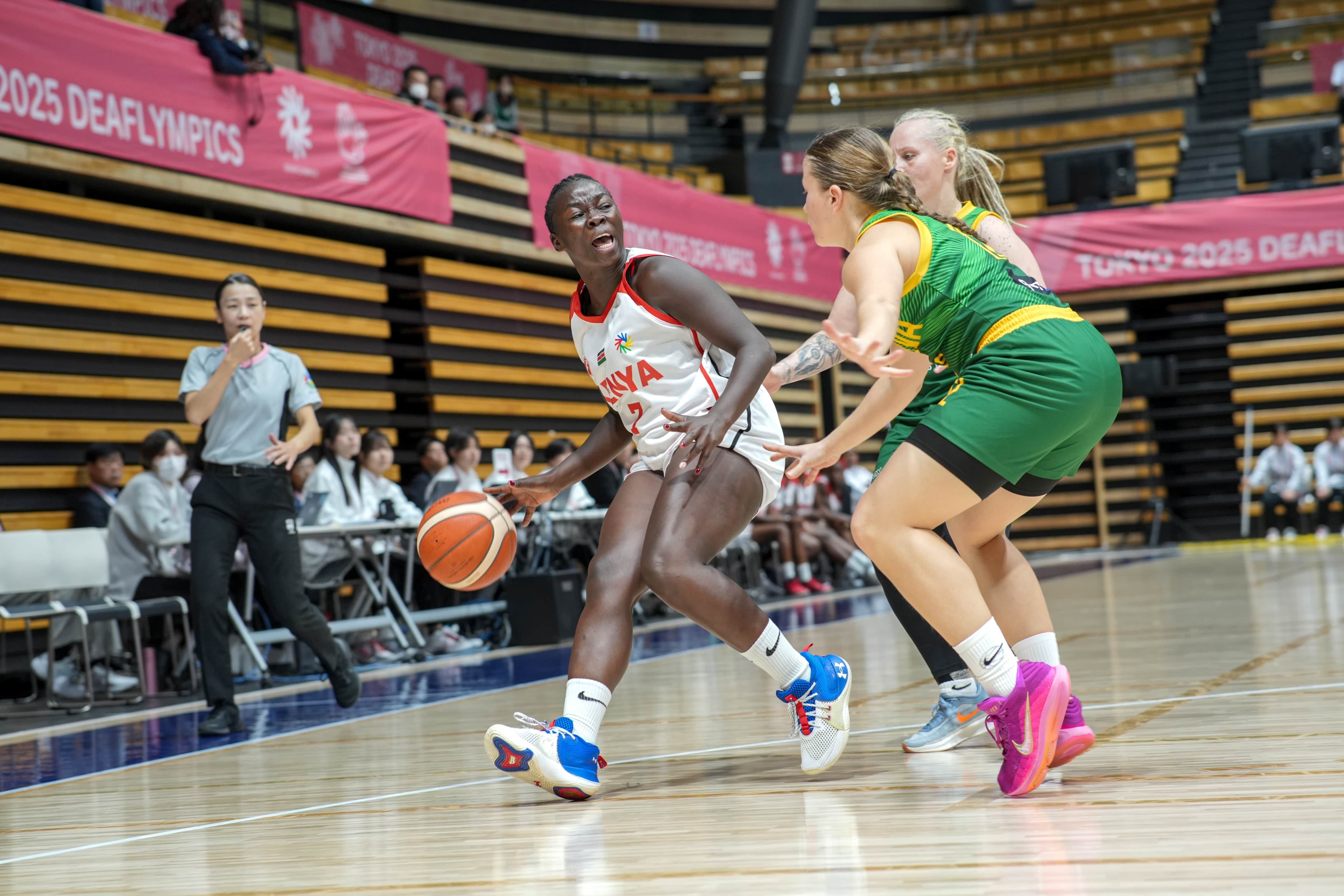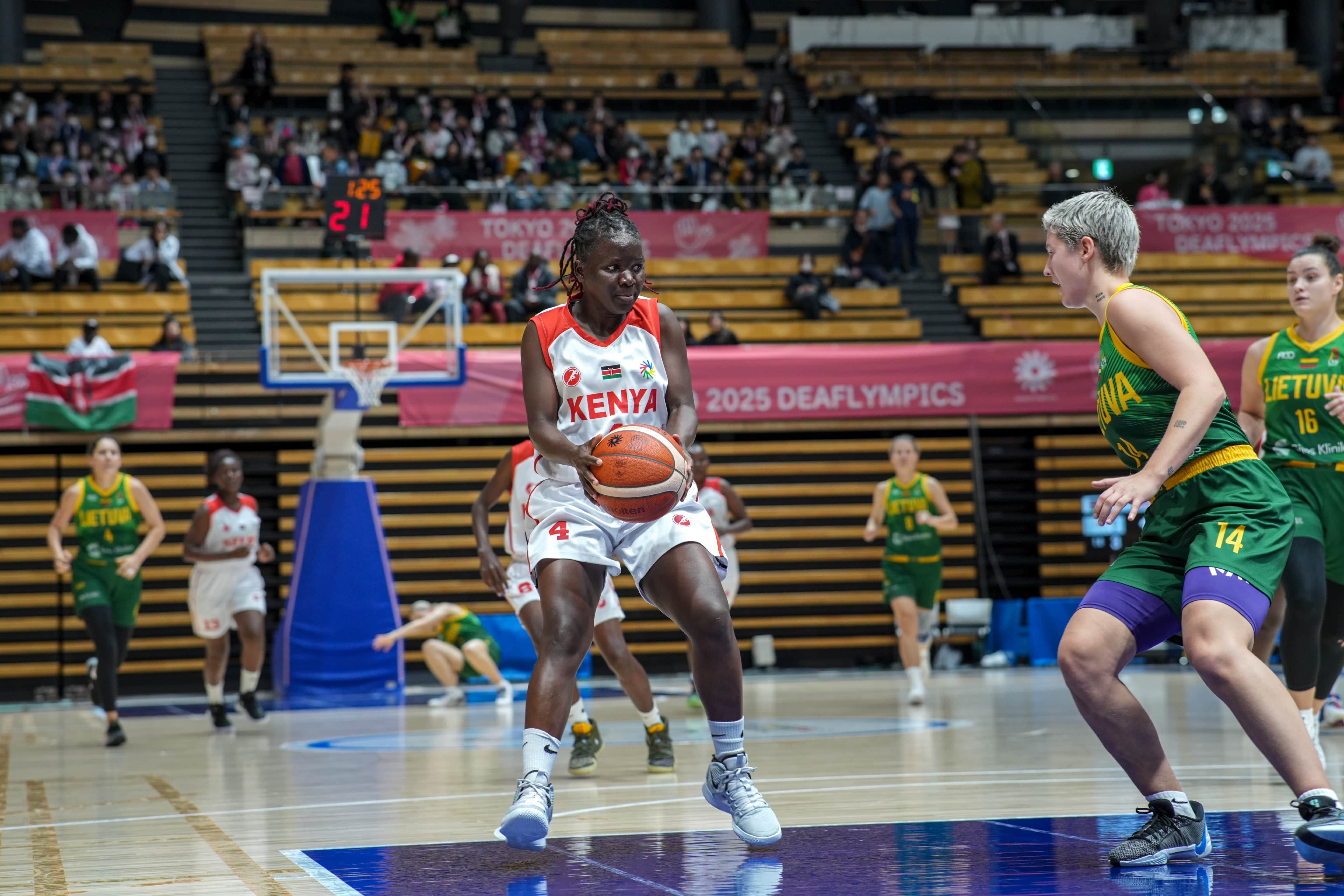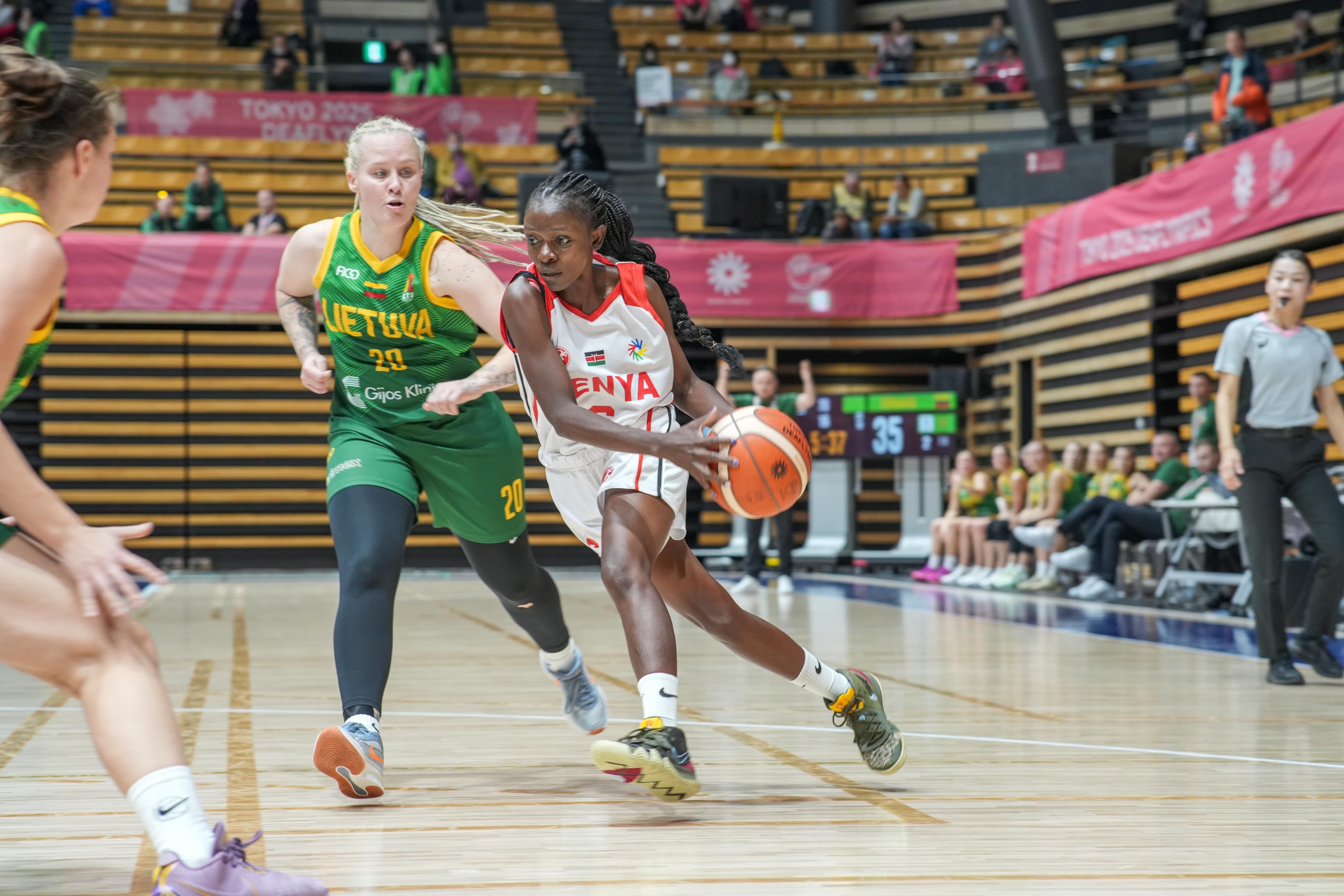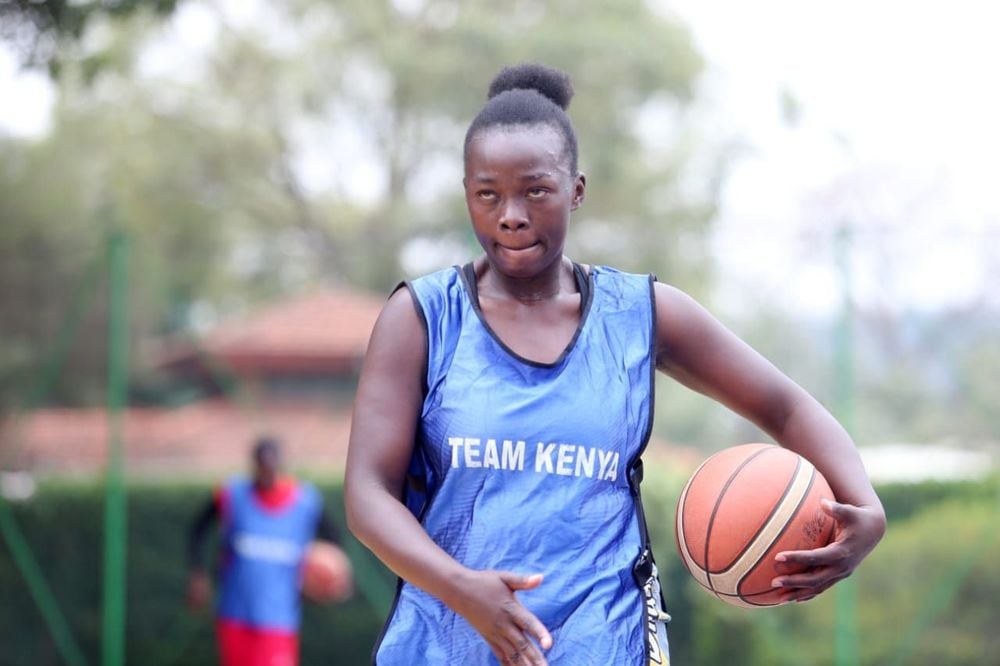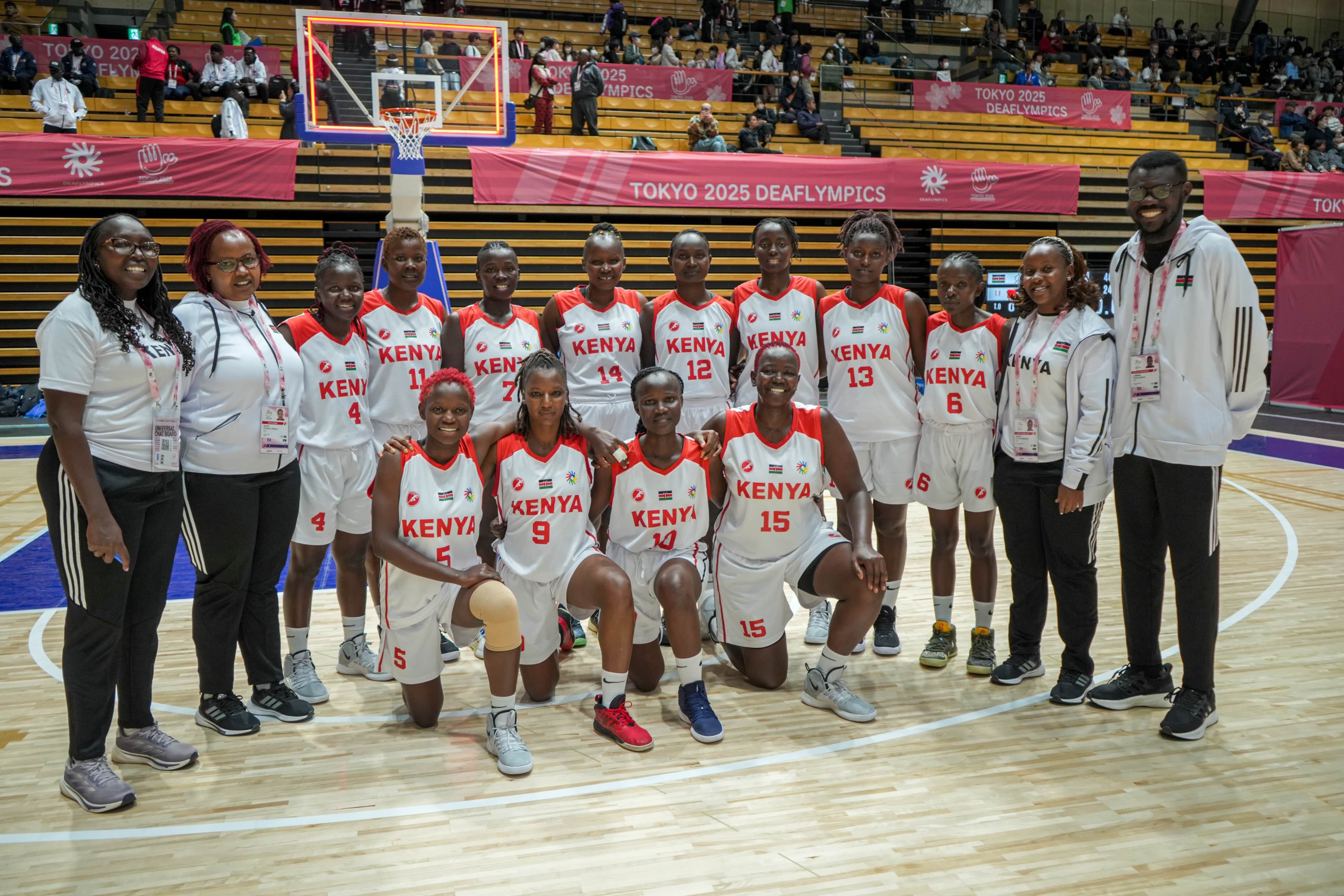
Kenya’s women’s deaf basketball team wrapped up their Tokyo 2025 Summer Deaflympics campaign on Wednesday after a challenging run in the group stages — a performance that head coach Mary Chepkoi says highlights the urgent need for more competitive matches and structured development back home.
Drawn in a difficult Group A, Kenya faced some of the world’s strongest teams, including Australia, Italy, and Lithuania. The outcome reflected the disparity in experience and exposure:
🇦🇺 Australia 104 – 30 Kenya
🇮🇹 Italy 114 – 42 Kenya
🇱🇹 Lithuania 90 – 33 Kenya
Despite the losses, the team showed commitment and resilience, improving incrementally with each game — a point Chepkoi emphasized after their final match.
“We always get better towards the end of the tournament. I think we need more games before coming for such a tournament,” — Coach Mary Chepkoi
Chepkoi believes Kenya’s performance can improve significantly if the team is integrated into Kenya’s mainstream basketball ecosystem. She recommends registering the team in the Nairobi Basketball Association League, with the long-term goal of playing in the Kenya Basketball Federation (KBF) Women’s League.
“Hopefully we will get to register the team in the Nairobi Basketball Association League to play with the hearing as they climb up the KBF ladder. That way, we will improve.”
The coach also highlighted the need for a gradual transition in player pathways.
“We need to go to high schools and get younger players. We are not saying we’re chasing the older ones out, but we want to help them transition into coaching and refereeing while bringing in younger athletes. That way, we will be able to compete with other teams.”
Her vision reflects a broader understanding that developing a competitive national Deaf women’s basketball team requires early talent identification, structured league participation, and constant exposure to strong opponents.
As the Tokyo campaign ends, the message is clear: Kenya has the talent — now it needs the competitive opportunities to match the world’s best.